House Survey: The Truth Your New Home Won't Tell You

The House That Looked Perfect on Paper
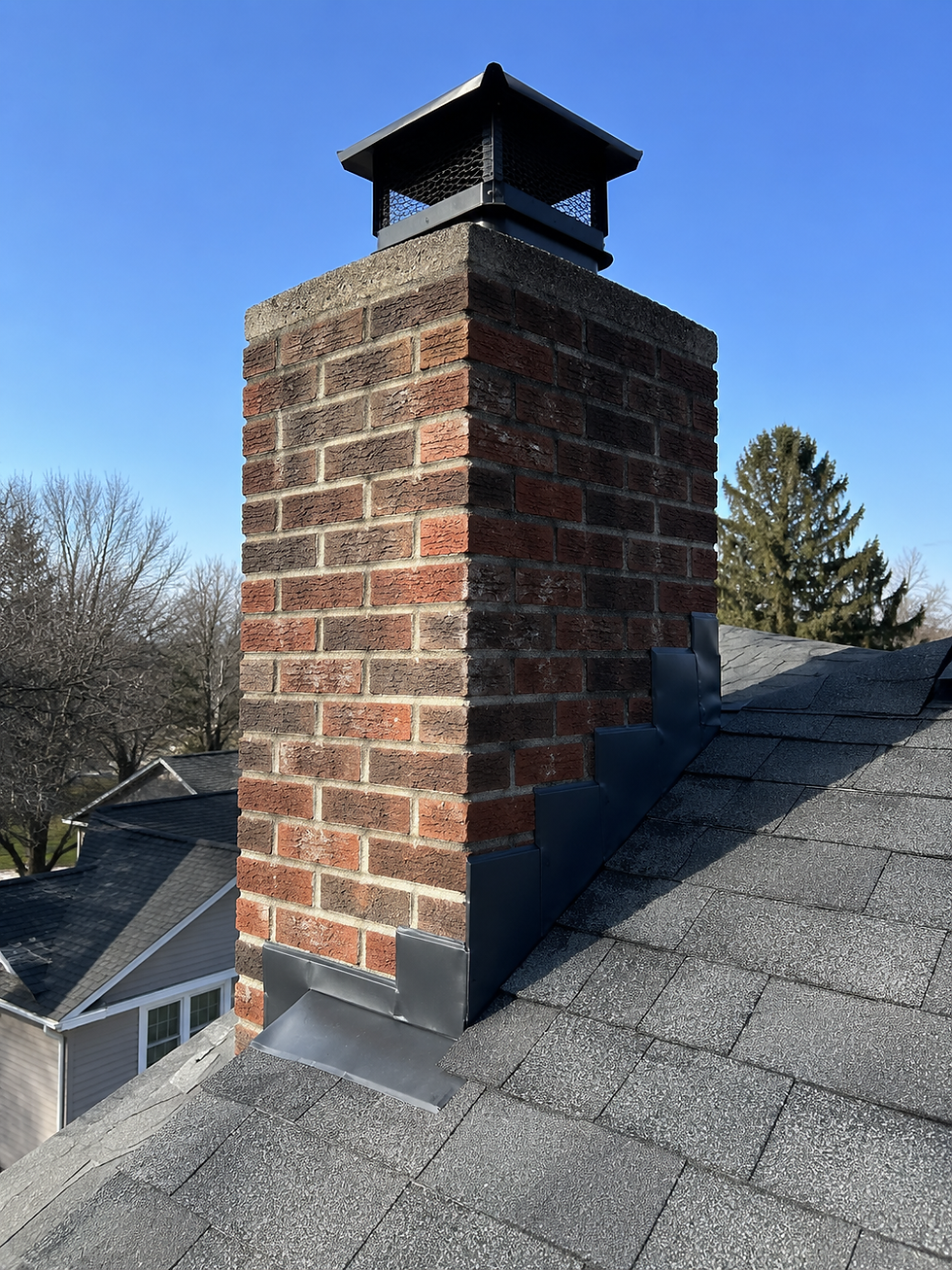
A couple I worked with fell in love with a house the moment they walked through the door, fresh paint, staged furniture, not a crack in sight. They almost skipped the survey to save a few hundred dollars and speed up closing. They didn't, and I'm glad, because underneath that fresh paint was a roof with three years of life left in it and a chimney flashing that had been quietly letting water into the attic for over a year. None of it was visible to a buyer walking through on a Sunday afternoon. All of it showed up the moment I got a ladder and a moisture meter involved.
That's the part nobody tells first-time buyers: a house is very good at hiding exactly what it needs you to know before you sign.
A house survey is an independent, professional inspection of a property's condition, structure, and systems, carried out before purchase so a buyer knows exactly what they're buying, not just what a listing photo or a fresh coat of paint suggests. It's the one step in the buying process designed entirely to protect the buyer, not the seller, the agent, or the lender.

What a House Survey Actually Covers
A proper house survey goes well beyond a walkthrough. A qualified surveyor or inspector examines the roof, foundation, structural framing, plumbing, electrical systems, insulation, and signs of damp, pest damage, or prior repairs, then documents all of it in a written report with photos and clear findings. The goal isn't to scare a buyer out of a purchase; it's to make sure nothing gets discovered for the first time after the keys are already in hand.
This is different from a lender's valuation, which only confirms the property is worth what's being borrowed against it. A house survey is entirely about condition, not price, and that distinction catches a lot of first-time buyers off guard.
A house survey covers the roof, foundation, structural elements, plumbing, electrical systems, and signs of damp or damage, documented in a written report, distinct from a lender's valuation, which only assesses market value, not condition.
Why Skipping One Is a Costly Gamble
Here's the honest math: a house survey typically costs a few hundred dollars. The repairs it can catch, foundation movement, roof failure, electrical faults, can run into the tens of thousands if discovered after closing, when they're entirely the new owner's problem. I've seen buyers save the survey fee and lose that math a hundred times over within the first year of ownership.
It's also worth saying plainly: real estate agents and sellers are not the ones who benefit from a thorough survey. A buyer skipping one because "the house looks fine" is trusting a first impression over an actual inspection, and houses are very good at controlling first impressions.
Skipping a house survey risks discovering costly issues, foundation, roof, or electrical problems, only after purchase, when repair costs (often tens of thousands of dollars) become the buyer's sole responsibility rather than a negotiating point before closing.
Understanding Survey Levels: Not All Inspections Are Equal
This is where a lot of confusion happens, and it matters more than most buyers realize. Under RICS guidance, the internationally recognized chartered surveying standard, residential surveys are typically offered at different levels, from a basic condition overview up to a full Level 3 survey, which is the most detailed option and the right choice for older properties, homes with visible issues, or any property a buyer plans to renovate. A Level 3 surveyor examines structural elements in depth and provides repair recommendations and cost implications, not just a checklist of what's present.
In the U.S., the equivalent professional is generally called a home inspector rather than a surveyor, but the principle is identical: the more complex or older the property, the more thorough the inspection should be. Choosing the cheapest, most basic option on an older home is often a false economy.
Survey depth matters: a basic condition report suits newer, straightforward properties, while a full Level 3 survey, the most detailed RICS standard, is recommended for older homes, visible defects, or planned renovations, since it includes structural analysis and repair cost estimates.
What to Look for in a Home Surveyor or Inspector
Not every inspector delivers the same quality of report, and this is the part worth being genuinely picky about. Look for someone who is professionally accredited, RICS chartered status internationally, or ASHI certification in the U.S., and who provides a sample report before you hire them. A vague, checkbox-style report tells you almost nothing useful. A good one tells you exactly what's wrong, how serious it is, and roughly what it will cost to fix.
Reading home surveying reviews from actual past clients is genuinely useful here, not for star ratings alone, but for whether reviewers mention the inspector catching something specific and unexpected. That's the sign of someone doing real, careful work rather than a fast walkthrough.
A quality home surveyor or inspector holds recognized accreditation (RICS or ASHI), provides a sample report before hiring, and produces detailed findings with repair cost context rather than a generic checklist.
FAQs
1. Is a house survey the same as a home inspection?
They serve the same purpose, assessing a property's condition before purchase, though "survey" is the more common term internationally, while "home inspection" is standard U.S. terminology.
2. How long does a house survey take?
Most residential surveys take two to four hours on-site, depending on property size and age, followed by several days to receive the written report.
3. Can I use a house survey to renegotiate the price?
Yes, a survey that uncovers significant issues is one of the most common and effective tools buyers use to renegotiate before closing.
4. Do new-build homes still need a survey?
Yes, new-build defects, sometimes called snagging issues, are common enough that skipping a survey on a new property is still a real risk.
5. What's the difference between a survey and a mortgage valuation?
A mortgage valuation only confirms the property's value for lending purposes; a survey independently assesses its actual condition for the buyer's benefit.
6. How much does a house survey typically cost?
Costs vary by property size and survey depth, but a residential survey generally costs a small fraction of what an undiscovered structural issue would cost to repair later.
About the Author
Colin Whitfield is a residential building surveyor and certified home inspector with 16 years of experience assessing residential properties for buyers across the U.S. and UK markets. He holds RICS-aligned chartered accreditation and follows current ASHI Standards of Practice in all residential inspections referenced in this article.
This article is for general informational purposes and does not replace an in-person inspection from a licensed, accredited surveyor or home inspector familiar with your property and local building codes.


Comments